
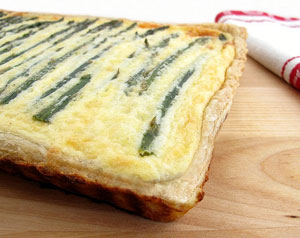
 One of the first signs that spring has arrived is the availability of bright green vegetables, like asparagus. There is something special about an asparagus spear emerging from the ground. Right now asparagus is available at the Union square Greenmarket. In the supermarket it's available all-year round, but the best time to get pencil-thin asparagus is during springtime. It's at its most tender and succulent. Steamed for a few minutes, roasted, or grilled, asparagus is a delightful vegetable prepared in any which way. Its color becomes vivid green after cooking and for me that represents the essence of spring.
I enjoy eating asparagus in many forms, but I like it most in quiche, one of the favorite brunch foods here in the States. Though the French even eat it for lunch or dinner. Quiche was originally meant just for breakfast in the French province of Lorraine, from where it originated. Surprisingly the tradition of quiche-making comes from a time when Lorraine belonged to Germany. The dish used to be called kuchen, which is German for cake, and instead of a pie crust, it was made with bread dough—basically a pizza. Once the region changed rule, the German name was eventually transliterated into French and the recipe changed too. The most well-known recipe is Quiche Lorraine, filled with just bacon.
Spring
Spring
There’s a Kumquat in My Cookie
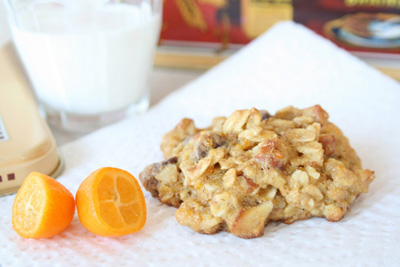 How can anyone resist tart and tiny kumquats, sitting so cute and bright in the produce department at the grocery store? They just look happy. I buy them every year as soon as they make their first seasonal appearance. I never have a plan for them when I set them in my basket, but it doesn’t matter. I buy the organic kumquats, rinse them well and, after I’ve cut the stem ends off, I pop them into my mouth one after the other, as if they were orange jelly beans.
Yes, these little cuties are totally edible, although they do have seeds hiding inside that seem large for such a tiny fruit. To remove seeds, slice kumquats in half and squeeze them gently and the seeds will pop out.
The skin is tender and sweet, while the flesh can be dry and very tart, compared with oranges. Kumquats that are soft will be less juicy, but they are perfectly acceptable for most uses. Store them in a plastic bag in the fruit drawer of the refrigerator for up to three weeks. One kumquat has about 12 calories and is a good source of vitamin C.
Meyer Lemon Tea Cake
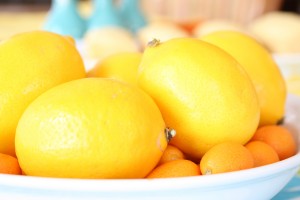 Spying bright yellow Meyer lemons in the refrigerated produce case at my local natural food co-op never fails to give me a lift. This occurrence usually takes place in March, my least favorite month of the year in northern Minnesota with its dull gray skies, dirty slush, and sometimes, snowstorms that, by this time, no one wants to experience.
I grabbed several Meyer lemons last week, brought them home and arranged them in a shallow white bowl with the kumquats that also came home with me.
After enjoying their burst of brightness in my kitchen for a couple of days, I knew it was time to use them up. I was ready to make some little tea cakes, tiny loaves infused with the juice of Meyer lemons.
Eating Kale
 We had a moment the other night, a unique event in the long history of the Tucker-Eikenberry alliance.
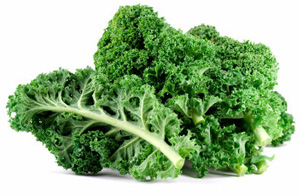
We had kale for dinner – just kale. That was dinner. It was an odd night, which could be said about a lot of nights these days. Our social engagement was a 5:00 to 7:00 kind of thing and we found ourselves back at the apartment around 7:30, our night done, with neither of us a thought in our head as to what to do next.
We didn’t want to go out again – although I heroically offered run up to the Peace Food Café on Amsterdam, Jill’s home away from home, for some take-out. “No,” she said. I’ll make some kale from Alison’s recipe.”
“You’ll make?” I thought. This whole thing of Jill’s cooking is very new. There’s lots of territorial shit going down right now in the kitchen.
Bunny Love
 Chances are you didn't buy a bunny for your child this Easter. I know this because according to The Humane Society, sales of bunnies are down this year. That's a good thing, since many American kids fervently love their bunnies until the Tuesday after Easter.
So that got me thinking... since fewer bunnies were purchased this Easter, there must be lots of extra carrots around. And what better way to use up carrots than in carrot cake muffins?
These muffins are a tasty collision between Morning Glory Muffins and classic carrot cake. The sweetness of the grated carrots, crushed pineapple, plump raisins and toasty coconut is balanced by earthy walnuts and spicy cinnamon and vanilla. Since carrot cake cannot be eaten without cream cheese, each muffin is topped with a heavy drizzle of pineapple cream cheese frosting that's good enough to eat by the spoonful. I know.
More Articles ...
Welcome to the new One for the Table ...
Our Home Page will be different each time you arrive.
We're sure you'll find something to pique your interest...