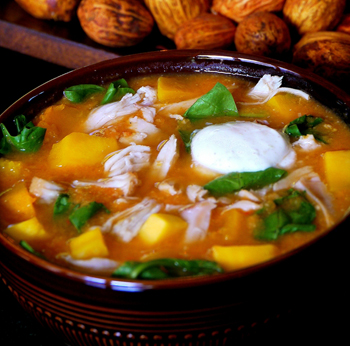
The Markets of Rio
 I am not what you would call a creature of habit, but every Sunday morning in Rio, I open my eyes and think Pastels! I throw on my board shorts, slip into my flip-flops and head straight to the local street market. I merge into the flow of Cariocas making their way to the feira. I can see the flower stalls a block away towering tropical blooms of heliconia, birds of paradise, and jungle roses. My flower vendor is Andres, and we have worked out a deal whereby for fifty reals a week, I can take pretty much whatever I can carry. At this price, I keep my apt flowered to within an inch of its life. Some days it looks like a bridal suite in Waikiki. I spend half an hour considering the possible combination of blooms, blowing on blossoms, and for good measure I hand pick a bagful of golden rose petals for scattering. Then set them aside and set out for Food!
I work my way around the perimeter of the market. The air is fragrant with the aroma of passion fruit and mangos. They have a dozen different types of bananas stacked shoulder high, and a dizzying array of rare exotic fruits from the Amazon jungle that are too fragile to make it out of the country, with names like pitanga, jabuticaba, and bacuri. Somebody hauls a giant stingray out of the ice and it lands at my feet. A fishwife is busy filleting fresh anchovies in front of a stack of coconuts as tall as me. The tourists are clutching their purses, the babies are crying, and the dogs are picking at the scraps.
Finally I reach my destination.

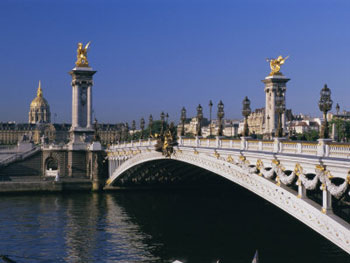 If you are looking for a most romantic place to celebrate an anniversary, holiday, or any day for that matter, then why not take a quick hop across one continent and one ocean to Paris. For centuries this has been the romantic center of the world regarded as such by those whose spirit soars with the magic of this beautiful city.
 Bermuda is pretty pink beaches, dazzling turquoise water, lush vegetation, touches of British style, pastel painted homes and truly friendly people. It’s posh yet casual and while not a bona fide culinary destination, it offers some delicious things to eat and drink that you won’t find elsewhere.
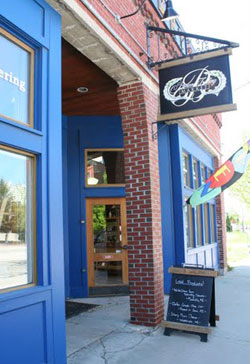 My sister and I went to Portland for the annual Champagne and caviar tasting at
 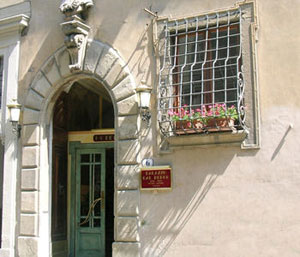 Recently I was fortunate to journey to Florence, a Renaissance jewel. I caught an Alitalia flight from Birmingham airport that is most convenient for short journeys between the UK and European continent. Flying via Milan, I found the seating aboard this Italian airline very comfortable and enjoyed being bussed to and from the plane. The seats are of grey leather and, although an airbus, quite roomy and spotless unlike so many other airlines I have flown on.