
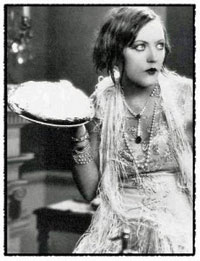
I don’t know another food that seems to inspire stronger emotion—passion, even
—than that most humble of desserts, pie. — Joyce Maynard, "Labor Day"
I’ve been thinking about pie a lot lately. It’s only now, as I’m preparing to leave the college where I’ve taught for the last 15 years, that it occurs to me how many works I’ve taught that have included pie. In the early years of my women’s film class, I used a clip in which Snow White sings about her prince while crafting the perfect pie for the seven little men that she lives with. Pie can be a metaphor for comfort, for domesticity, for nurturing and for accomplishment.
Those very suggestions are what also make pie such a successful weapon in the arsenal of slapstick: to be attacked with a pie, otherwise a symbol of warm inclusiveness, is to be shamed, reduced (just ask the British Prime Minister’s pie thrower his intention).
 My name is Farleys D Destino Del Lago, but friends call me Charlie.
 In college, I discovered falafels. I happen to be a lover of most things fried (unfortunately for me) and eating a falafel with tons of veggies and avocado makes devouring them a bit more acceptable. I was reading one of my favorite books; Dave Lieberman’s
 , and I found his falafel recipe made with quinoa.
 It came to me in a Saturday morning Skype. My four-year-old nephew looked into the computer and asked what I had for bweckfist. I said I ate breakfast in the form of a second dinner the night before. His parents laughed. Though that late night enchilada plate from our local Burrito King wasn’t all giggles.
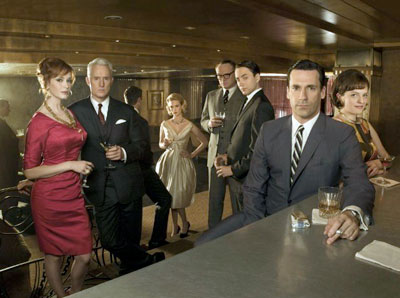 The drinks menu is easy—anything from scotch on the rocks to wine to martinis to Mint Juleps. And we know what brand mad men and women smoke, at least for now—Lucky Strike. But what do mad men and women eat? When they dine out in season four, it’s Chicken Kiev. And when they’re staying in—well, it’s easy to see why they don’t eat in very often.