
 Perhaps it's my New England roots, but many of my favorite recipes, both savory and sweet, include maple syrup as a key ingredient. Of course, I always have it on hand to adorn things like my Crispy French Toast, Banana Pancakes, and Fluffy Buttermilk Waffles or to drizzle over my steel cut oatmeal, but I keep a major reserve to use as a "secret ingredient" in many of my other recipes. And this is the time of year that I begin to replenish my personal supply of 100% pure maple syrup.
There is no sweeter harbinger of spring than the sugary sap that flows from maple trees around the middle of March in Northern New England. In late winter and early spring, the roots of the maple trees are loaded with a clear, sweet liquid and it is the ideal combination of freezing nights and warm days that induces sap flow. The change in temperature from above to below freezing causes water uptake from the soil, and temperatures above freezing cause a stem pressure to develop, which allows the sap to flow out of tap holes made in the tree trunks. We had several maple trees at our house, and my brother and I, after a few hours of playing in the snow, would rejuvenate ourselves by sneaking handfuls of the sugary water-like sap from the gray lidded tin buckets that my Dad put out each year to collect the sap.
It was not uncommon to take a "Sunday drive" with my parents and head off to one of the many local "sugar houses" to watch the actual maple syrup production. You could spot them in the distance with the plumes of steam and smoke and, as you got closer, you could actually begin to smell the maple aroma in the air.

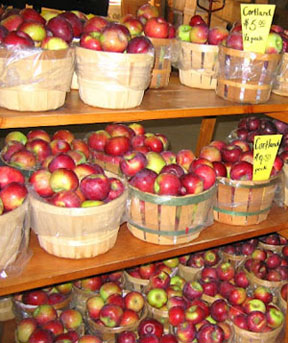 I miss apple-picking in New England. Overall the produce found in Southern California is superior to anywhere we have lived, but just like football, when it comes to apples, you simply can't beat
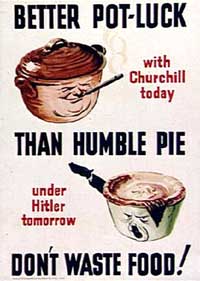 In the thirty years I lived in Los Angeles, I experienced a wide
array of social gatherings including a séance, a cocktail party in a
cancer ward and an evening of Pictionary at the home of the late Don
Knotts. But, I never went to a pot-luck dinner.
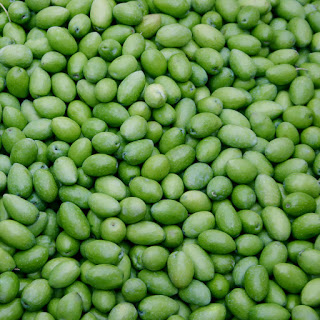 Growing up in an Italian family in Canada, meant doing everything food-related at home. Long before words like “casareccia” (home-made) gave it respectability, we were merely those kids with giant vegetable patches for back yards, whose hundreds of relatives were always coming over to can tomatoes, roast peppers, peel beans, boil fruit, bake biscuits, make cheese, cure salami, press grapes and yes, strangle chickens. Some of those activities have diminished over the past 30 years. Indeed, if any of my generation continue the practice of strangling chickens, they’ll only be doing so as a catharsis. That said, my family continues to produce homemade Italian specialities to this day. I hope that never stops.