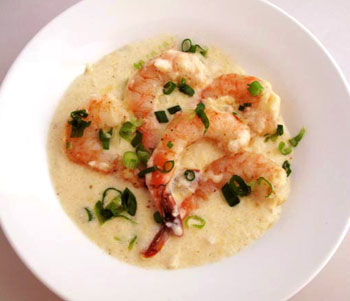
 "Uglesich's Restaurant in New Orleans (Uglesich website) serves one of the best shrimp and grits that I ever tasted, although, just about everything there was incredible. This recipe, which follows a method from America’s Test kitchen, is pretty easy to throw together and makes a great quick dinner for two."
Southern Style Shrimp and Grits
8 ounces shrimp (large size 31-40 per pound), peeled and deveined
1 tablespoon Olive Oil
1 minced garlic clove
pinch of Cayenne pepper
1/4 – 1/2 teaspoon Cajun Seafood seasoning
Salt and pepper
1 tablespoon unsalted butter
1 small onion minced (about 1/2 cup)
1½ cups water
1/2 cup Heavy Cream
1/2 teaspoon hot sauce
1/2 teaspoon Worcestershire sauce
1/2 cup Quick Grits (Quick not instant grits is key)
4 oz extra-sharp shredded cheddar cheese, shredded
1 green onion sliced thin
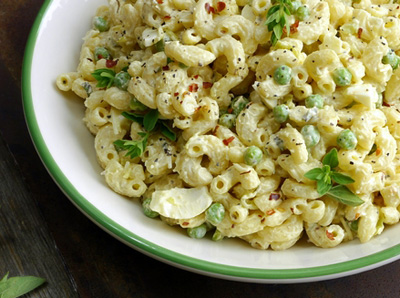 I'm channeling cookout weather! If I continue to make side dishes perfect for a weekend barbecue, maybe mother nature will play along. While we have had a few scattered 80-degree days, the rain and clouds keep inserting themselves into the mix. Let's face it, the weather in the Pacific Northwest is really not summer-like until July, but I can always hope and continue to eat like the season has arrived.
 I've loved peanut butter sandwiches as long as I can remember. And I don't know anyone who hasn't eaten them as kids or even adults. Most people owe their school lunches to peanut butter and jelly. But somewhere down the line I had lost my interest in the sandwich and peanut butter in general.
 I could eat spaghetti and meatballs every night of the week. Of course my laundry bill would be astronomical. There are cleaning products for removing every possible stain including wine, coffee, ink and blood, but no one has invented a product to remove spaghetti sauce stains. Not yet anyway.
  Many years ago, my mother-in-law’s niece made a trip to England. She brought two gifts back for my mother-in-law — a Bone China tea cup and saucer and a cookbook. I was the lucky daughter-in-law who got both of her English treasures after she died.