I’m nervous. I’m not sleeping well. The greatest challenge of my life is one month away and I have yet to start planning it: Christmas dinner. Everything will be riding on it. Not just my self-respect; the respect of my gender – every man who has ever said to his stay at home wife, “Hey, I’d take your job in a minute.” Well, she gave it to me. It’s all mine. And now I’ve got to deliver. Put a stunning meal on the table this Christmas; one that lets my hard working, career-driven wife know she married the right …well …wife.
Let me be frank. I’ve survived these last few months on nothing but moxie, a crock-pot, and a copy of Cooking for Idiots. And now I’m staring at one hard cold fact: not only have I never cooked a Christmas dinner, I can’t recall having eaten one. I’m a Jew: a Jew, who pompously volunteered to cook for his Cuban wife and her family on their most important Holiday of the year. What the hell was I thinking? If some couch potato wants to firm up, you don’t tell him to enter a marathon. You tell him to walk a little, then jog a bit, see if he can eventually work himself up to a mile. Yet here I am, a couch potato running a marathon, a culinary novice planning the mother of all meals: Christmas Dinner. Yikes!

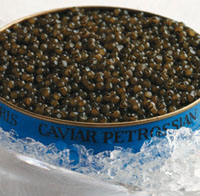 All I want for Christmas is my caviar pie. Which is a jolly good thing, since it's the only dish I take joy in creating.
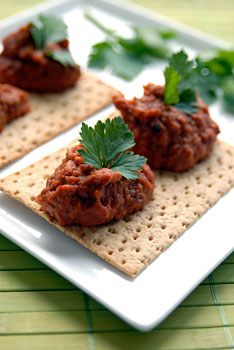 Ina Garten’s Roasted Eggplant Spread
 When our Mother was diagnosed with cancer many years ago, once we regained our balance, my sister and I plotted and planned how we would make that Christmas, her last, be the best Christmas of her life. That being such a bold plan where else could we spend that bittersweet holiday but in the countryside of France and where else but in the festive Champagne region? This was our present to our Mother and we wanted it to be grand. The night before we were to leave Maine we opened up a bottle of her favorite Champagne and handed her a glass with an envelope. Tears poured down her cheeks as she viewed the tickets to Paris, her favorite destination in the whole world with her two daughters. We promised her that she would drink Champagne everyday, but that is all we revealed of our surprise dream Christmas together.