 Remember I told you there was going to be lots of leftover ham from the gorgeous Carlton Farms Bone-In, Whole Holiday Ham we made yesterday? Well, I was right. And luckily the possibilities are endless when it comes to using using up leftover ham.
If I were you, I would start with making these Ham and Havarti Sliders on Parmesan-Butter Topped Pretzel Buns. There are NO words to describe how good these turned out. Do you see that cheese? It's epic.
You see, I have a new vice lately. It happens to be THIS exact cheese. I have been getting my stash at Costco. Every time I shop, I come home with more and more packages to get me through until the next Costco trip. The cheese has a decent shelf life but it's not even an issue since we are eating it faster than we can replace it. If you have never had Havarti, it is the creamiest, butteriest, most superior melty cheese you could imagine. The fact that I can now get it in deli slices has turned me into a Havarti fanatic. It is by far the ultimate grilled cheese-cheese. Does that make sense?
I knew this leftover ham and Havarti cheese were going to marry and bring peace and love into my kitchen. I was right. These little sliders were incredible. I have pure love for this cheese and I hope you can find some soon.
 A "hot dog bar" is the perfect solution to not feeling guilty about serving "hot dogs" at your next gathering. Let's face it, we all love outdoor grilling (especially for a crowd), however, if Ribeye Steaks for 20 are not in your budget, this is a great, creative alternative. Have your guests contribute the side dishes and you will have a great interactive, food-friendly party. Of course, you can also scale it up or down by the quality and types of hot dogs and buns you serve.
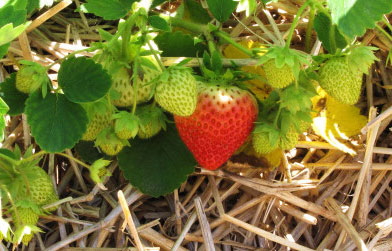 Years ago I lived on Aquidneck Island (home to Newport, Rhode Island) and every June we’d head over to Quonset View Farms, high up in the middle of the island where the cold fog off the ocean just kisses the plants and fades away in time for daily sun baths. The soil must be pretty special there, too, as I swear I’ve never tasted strawberries so sweet and juicy. At Quonset View, it was hard to get out of the field without eating most of your berries.
 Every Friday growing up I had a tuna sandwich in my lunch box. The bread was usually soggy by the time lunch came around, caused by the use
of too much mayonnaise and sweet pickle relish. Friday was also the
only day I was allowed to have a soda pop accompany my lunch. It was
usually RC Cola in the can, wrapped in tin foil to keep cold. The RC
Cola also kept my sandwich cool, a bonus as far as I was concerned.
Every Friday growing up I had a tuna sandwich in my lunch box. The bread was usually soggy by the time lunch came around, caused by the use
of too much mayonnaise and sweet pickle relish. Friday was also the
only day I was allowed to have a soda pop accompany my lunch. It was
usually RC Cola in the can, wrapped in tin foil to keep cold. The RC
Cola also kept my sandwich cool, a bonus as far as I was concerned.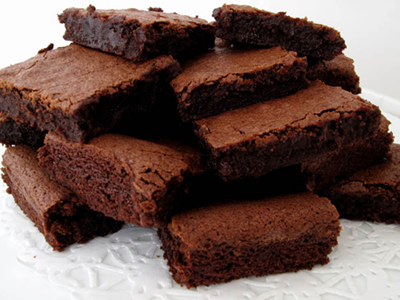 Culinary historians have traced the first cake “brownie” to the 1906 edition of The Boston Cooking-School Cook Book, edited by Fannie Merritt Farmer. This recipe is an early, less rich and chocolaty version of the brownie we know today, utilizing two squares of melted Baker’s chocolate. Food historians don’t know if Fanny Farmer obtained the recipe from another source, printed it as is or adapted it, or provided the name.